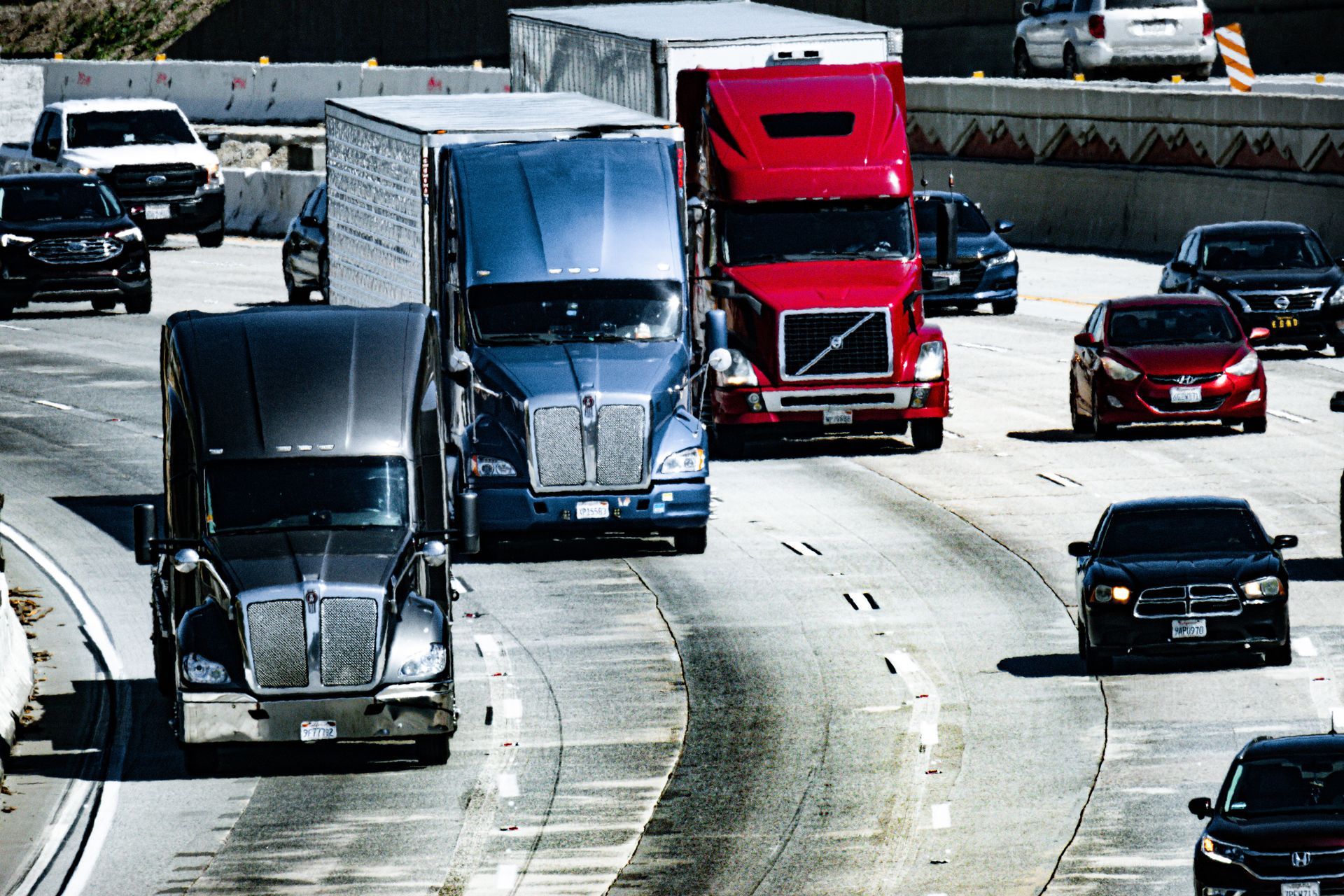
Drop-and-Hooks vs. Live Loads
Pros and Cons for Trucking Freight
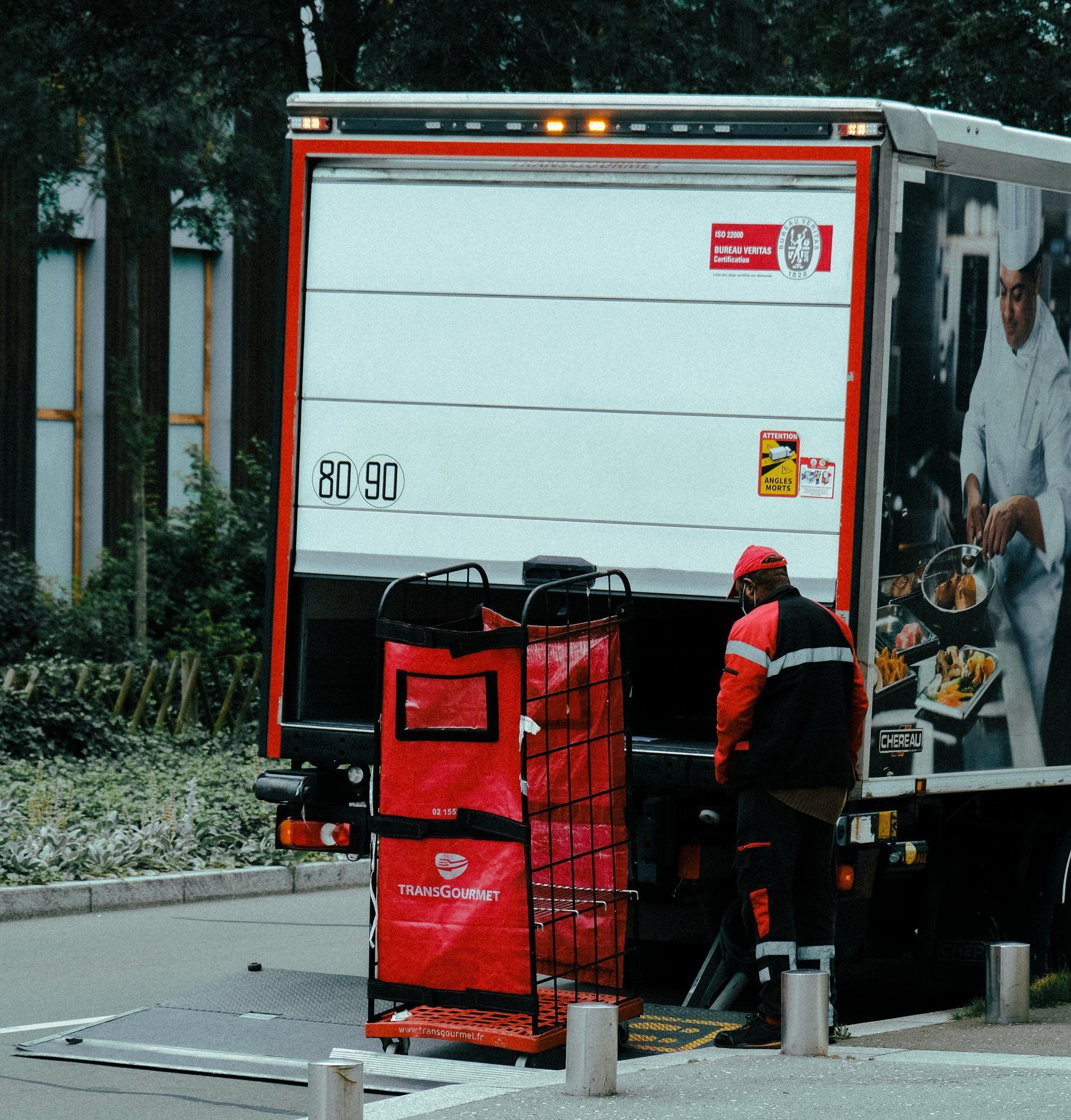
When it comes to freight transportation, there are two primary ways to load and unload cargo: live loads and drop-and-hooks. Live loads require a truck driver to stay at the loading or unloading site until the cargo is completely loaded or unloaded, while drop-and-hooks involve dropping off a pre-loaded trailer at a designated location and hooking up an empty trailer for the next shipment. In this blog post, we'll explore the advantages and disadvantages of drop-and-hooks versus live loads.
Advantages of Drop-and-Hooks
- Efficiency: One of the primary advantages of drop-and-hooks is that it can be more efficient than live loads. With drop-and-hooks, a truck driver can quickly drop off a pre-loaded trailer and pick up a new one without having to wait for the cargo to be loaded or unloaded. This can save significant time and allow for more deliveries in a shorter amount of time.
- Reduced Waiting Time: Drop-and-hooks can also reduce waiting time for truck drivers. With live loads, drivers may have to wait for hours for the cargo to be loaded or unloaded, causing delays in their schedules. With drop-and-hooks, the pre-loaded trailer is already waiting for the driver, minimizing waiting times and ensuring on-time deliveries.
- Increased Safety: Drop-and-hooks can also increase safety on the road. With live loads, drivers may be required to operate forklifts or other equipment, increasing the risk of accidents and injuries. Drop-and-hooks eliminate the need for drivers to interact with loading or unloading equipment, reducing the risk of accidents.
Disadvantages of Drop-and-Hooks
- Limited Flexibility: One of the primary disadvantages of drop-and-hooks is that it can be less flexible than live loads. With drop-and-hooks, the driver is required to pick up a pre-loaded trailer at a specific location, limiting their ability to make changes to their delivery schedule or route.
- Additional Costs: Drop-and-hooks can also be more expensive than live loads. The cost of maintaining and storing pre-loaded trailers can be significant, and the need for additional equipment, such as a yard tractor, can also increase costs.
Advantages of Live Loads
- Flexibility: One of the primary advantages of live loads is their flexibility. With live loads, the driver can adjust their delivery schedule or route based on changing circumstances, such as traffic or weather conditions.
- Cost Savings: Live loads can also be more cost-effective than drop-and-hooks. Without the need for pre-loaded trailers or additional equipment, live loads can be less expensive for both shippers and carriers.
Disadvantages of Live Loads
- Time-Consuming: One of the primary disadvantages of live loads is that they can be time-consuming. With live loads, drivers may have to wait for hours for the cargo to be loaded or unloaded, causing delays in their schedules and potentially reducing their earning potential.
- Increased Risk: Live loads can also increase the risk of accidents and injuries. With live loads, drivers may be required to operate forklifts or other equipment, increasing the risk of accidents.
In summary, drop-and-hooks and live loads both have their advantages and disadvantages. While drop-and-hooks can be more efficient and increase safety on the road, they can be less flexible and more expensive. Live loads can be more flexible and cost-effective, but they can be time-consuming and increase the risk of accidents. Ultimately, the choice between drop-and-hooks and live loads depends on the specific needs and priorities of the carrier and shipper.
Share Content.