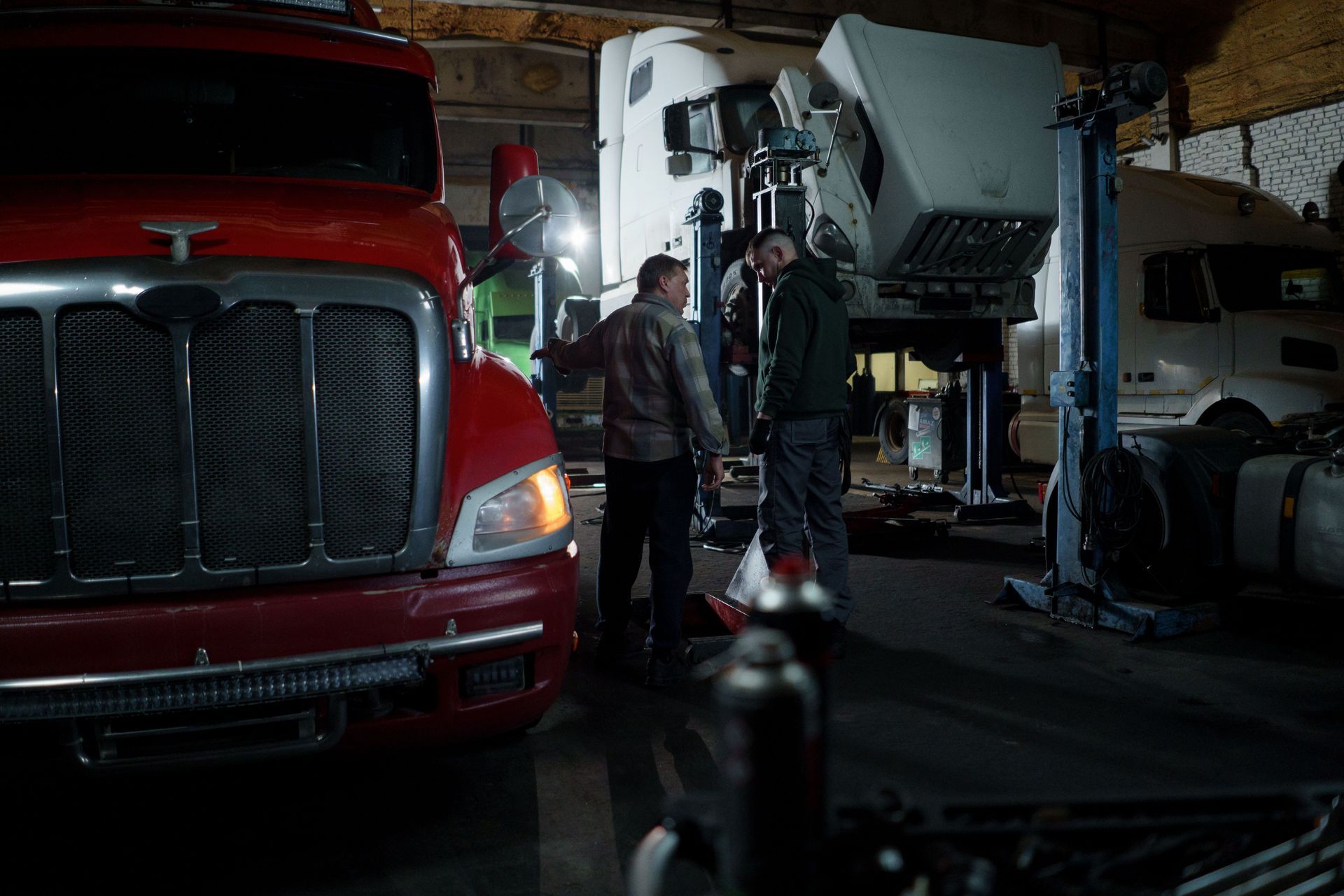
How Established Trucking Companies Avoid Cash Flow Gaps During Insurance Renewal
Summary
Insurance renewal is one of the biggest cash-flow tests for trucking companies. Even established fleets with steady revenue can feel the squeeze when large premiums and down payments come due all at once. This guide explains how established trucking companies avoid cash flow gaps during insurance renewal, the strategies they use before renewal hits, and how they keep trucks moving while protecting growth capital.

Proven strategies fleets use to renew insurance without parking trucks or draining reserves
Insurance renewals hurt cash flow because they combine three problems into one moment.
1. Large One-Time Payments
Most policies require:
- 20 to 30 percent down
- Sometimes more for larger fleets
That can mean tens of thousands due at once.
2. Rising Premiums
Rates increase due to:
- Market conditions
- Claims trends
- Fleet growth
- Industry risk
Even safe operators see higher renewals.
3. Bad Timing
Renewals often hit during:
- Seasonal slowdowns
- After major repairs
- When fuel costs spike
Cash flow may look strong over the year, but tight in that specific week.
How Established Trucking Companies Avoid Cash Flow Gaps During Insurance Renewal
Strong fleets don’t rely on luck. They plan ahead and use smart financial tools.
Here’s how they do it.
Strategy 1: They Plan for Renewal Months in Advance
Established trucking companies treat insurance renewal like a fixed expense, not a surprise.
They:
- Track renewal dates early
- Request quotes well ahead of time
- Estimate worst-case premium increases
This gives them time to prepare instead of scrambling at the last minute.
Strategy 2: They Separate Operating Cash From Renewal Costs
One of the biggest mistakes growing fleets make is using the same cash pool for everything.
Smart operators:
- Protect fuel and payroll funds
- Avoid draining maintenance reserves
- Keep daily operations funded
Insurance renewal is planned separately so it doesn’t disrupt the business.
Strategy 3: They Use Working Capital Strategically
Many established trucking companies use working capital to smooth out insurance renewal costs.
Why?
- Insurance is required to generate revenue
- Downtime costs more than financing
- Cash on hand keeps operations flexible
Instead of paying large down payments in one hit, they spread the cost while trucks continue earning.
Strategy 4: They Avoid Waiting Until the Last Minute
Waiting creates three problems:
- Fewer funding options
- Higher stress decisions
- Risk of coverage lapses
Established fleets start lining up solutions weeks before renewal, not days.
Strategy 5: They Work With Trucking-Specific Partners
General lenders and generic funding sources often don’t understand:
- Insurance bind deadlines
- Authority risks
- Fleet cash-flow cycles
Experienced trucking companies work with partners who understand how insurance renewal impacts operations.
What Happens When Cash Flow Gaps Are Not Managed
When renewal cash flow gaps aren’t handled correctly, the damage adds up fast.
Common outcomes include:
- Parked trucks
- Missed contracts
- Driver downtime
- Authority issues
- Lost broker relationships
One delayed renewal can cost more than the entire premium increase.
Why Established Fleets Still Use Financing
There’s a myth that only struggling companies use financing.
In reality, established fleets use it to:
- Preserve liquidity
- Maintain growth momentum
- Protect credit lines
- Avoid emergency decisions
The goal isn’t avoiding payment. It’s controlling timing.
How This Supports Long-Term Growth
When insurance renewal is handled smoothly:
- Trucks stay on the road
- Revenue stays predictable
- Growth plans stay intact
- Stress stays lower
That stability allows fleets to focus on scaling instead of survival.
Common Renewal Mistakes Even Experienced Fleets Make
Avoid these:
- Waiting for the final notice
- Draining fuel or payroll accounts
- Using personal credit tools
- Ignoring early warning signs of rate increases
Experience helps, but planning wins every time.
FAQ: How Established Trucking Companies Avoid Cash Flow Gaps During Insurance Renewal
How do established trucking companies avoid cash flow gaps during insurance renewal?
They plan ahead, protect operating cash, and use working capital or structured funding to manage large renewal payments.
Is this only for fleets, or owner operators too?
Both. Owner operators and fleets use the same strategies, just at different dollar amounts.
Does financing insurance renewal mean cash flow problems?
No. Many profitable trucking companies use financing to preserve liquidity and avoid downtime.
How early should renewal planning start?
Ideally 30 to 60 days before renewal to allow time for quotes and funding options.
What’s Next: Turn Renewal Into a Non-Issue
Insurance renewal doesn’t have to disrupt your business.
When you understand how established trucking companies avoid cash flow gaps during insurance renewal, you can:
- Stay insured without stress
- Protect cash flow
- Keep trucks moving
- Keep growing
Next Steps
When insurance deadlines are approaching, you cannot afford delays. Our trucking-specific funding service connects you with lenders who understand renewal cycles and cash flow pressure, helping approvals move faster and funding reach the finish line.
Connect with a representative to explore how we can help you secure the capital you need.
Share Content.