
How to Add Trucks to Your Fleet Using Structured Equipment Financing
Summary
Growing a trucking fleet takes more than demand and hard work. It takes capital. Structured equipment financing gives trucking companies a way to add trucks without tying up cash, slowing operations, or putting stress on the business. In this guide, you’ll learn what structured equipment financing is, when to use it, and how fleet owners use it to scale safely and profitably.
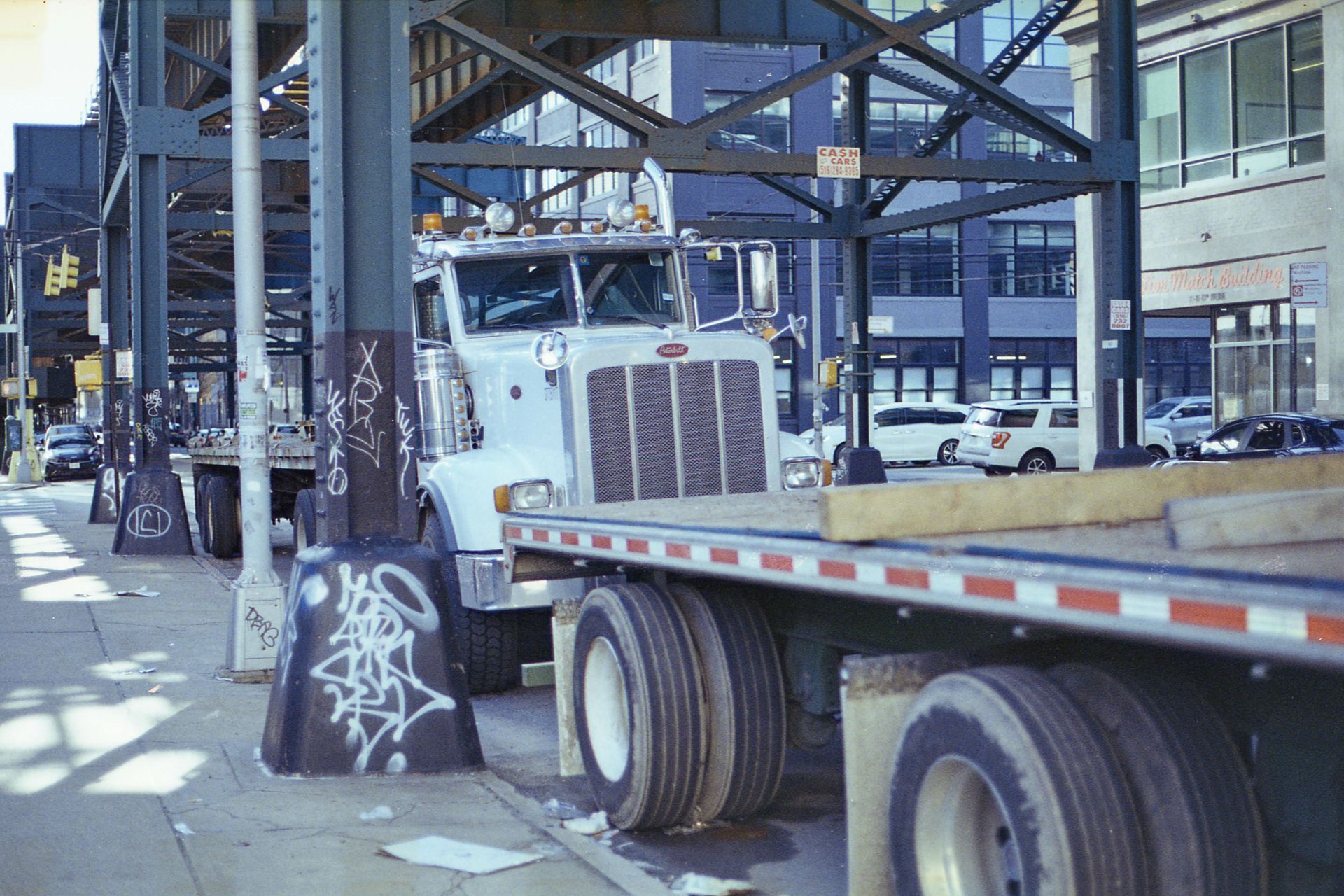
A smart, step-by-step way to grow your trucking fleet without draining cash flow
Every trucking company hits the same wall at some point.
You have freight lined up.
Drivers ready to run.
Rates that make sense.
But you don’t have enough trucks.
Paying cash sounds simple, but one truck can wipe out months or years of saved capital. That leaves less money for fuel, maintenance, insurance, and payroll.
That’s where structured equipment financing changes the game.
Instead of slowing growth, financing lets your trucks earn while you pay over time.
What Is Structured Equipment Financing?
Structured equipment financing is a planned approach to funding trucks and equipment based on revenue, cash flow, and long-term growth goals.
It’s not about grabbing any loan you can get.
It’s about matching financing terms to how your fleet actually operates.
Structured financing focuses on:
- Monthly revenue, not just credit scores
- Payment terms that fit your cash flow
- Equipment that generates income immediately
- Long-term scalability
This approach keeps growth controlled instead of risky.
Why Structured Equipment Financing Beats Paying Cash
Paying cash feels safe, but it often limits growth.
Structured equipment financing helps you:
- Preserve working capital
- Avoid cash crunches
- Scale faster when opportunities arise
- Spread costs while trucks earn revenue
Most successful fleets don’t grow by writing big checks.
They grow by keeping money moving.
When Structured Equipment Financing Makes Sense
Not every situation calls for financing. But these are clear signs it’s the right move.
1. Your Trucks Will Be Revenue-Producing Quickly
If the truck will be on the road earning income, financing often makes sense. The equipment helps cover its own cost.
2. Cash Flow Matters More Than Ownership
Cash keeps your business alive. Financing allows you to keep reserves for fuel, repairs, and slow weeks.
3. You Want to Grow Faster Than Cash Allows
Cash-only growth is slow. Structured financing lets you add trucks when the market demands it, not years later.
4. You’re Planning Long-Term Expansion
If this isn’t your last truck, financing helps you build a repeatable growth strategy instead of starting from zero every time.
How Structured Equipment Financing Works Step by Step
Here’s how most trucking companies successfully add trucks using structured financing.
Step 1: Review Your Revenue and Cash Flow
Lenders want to see consistent deposits. Strong monthly revenue matters more than perfect financial statements.
Know your:
- Average monthly revenue
- Fixed expenses
- Net cash flow after costs
Clarity builds confidence.
Step 2: Choose the Right Equipment
Not every truck is finance-friendly.
Lenders prefer:
- Equipment that holds value
- Trucks aligned with your routes and contracts
- Realistic purchase prices
Overbuying is one of the fastest ways to get denied.
Step 3: Structure the Terms
This is where strategy matters.
Structured financing focuses on:
- Payments that fit your cash flow
- Terms that match equipment lifespan
- Down payments that don’t drain reserves
The goal is sustainability, not short-term approval.
Step 4: Scale in Stages
Smart fleets don’t finance everything at once.
They:
- Add one or two trucks
- Measure performance
- Adjust financing as revenue grows
This keeps expansion controlled and predictable.
Common Mistakes to Avoid
Even profitable trucking companies make financing mistakes.
Avoid:
- Using all available cash as a down payment
- Financing trucks without steady freight
- Ignoring future maintenance costs
- Taking payments that strain monthly cash flow
- Working with lenders who don’t understand trucking
Financing should reduce stress, not create it.
How Structured Equipment Financing Supports Long-Term Growth
Structured financing is not just about today’s truck.
It helps you:
- Build lender relationships
- Improve approval terms over time
- Qualify for multiple units later
- Maintain consistent growth without chaos
This is how small fleets become mid-size fleets and beyond.
FAQ: Structured Equipment Financing
What is structured equipment financing for trucking companies?
It’s a planned financing approach that aligns truck purchases with revenue, cash flow, and long-term growth goals.
Is structured equipment financing better than paying cash?
Often yes, especially when preserving cash flow and scaling matters more than owning outright.
Can newer trucking companies qualify?
Yes. Many lenders focus on revenue and performance, not just time in business.
Can structured equipment financing be used for multiple trucks?
Yes. Many fleets finance in stages as revenue grows.
What’s Next: Grow Without Straining Your Business
Adding trucks shouldn’t feel like a gamble. With structured equipment financing, growth becomes a process instead of a risk.
The key is working with partners who understand trucking and know how to match financing to real-world operations. Our business loan broker service connects fleet owners with financing sources that look beyond credit scores and focus on performance, cash flow, and long-term potential.
If you’re ready to add trucks the smart way, the next step is simple.
Contact a rep to learn how structured financing can help you grow your fleet with confidence.
Share Content.