
How to Use Retargeting Ads to Capture More Trucking Insurance Leads
Summary
Most trucking prospects don’t convert the first time they see your agency. They research, compare, and wait. That’s why agencies relying only on cold traffic often struggle with inconsistent pipelines. Retargeting solves this problem by re-engaging high-intent prospects who already showed interest. When done correctly within a structured acquisition system, retargeting dramatically increases close ratios, reduces wasted quoting time, and creates predictable trucking insurance lead flow.
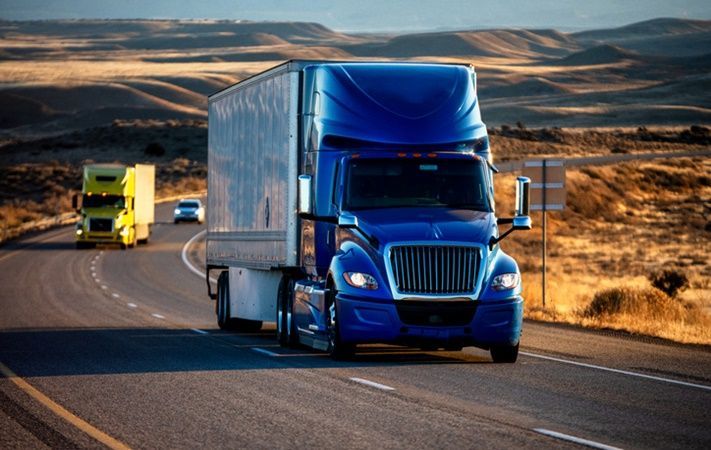
Turning Missed Opportunities Into Qualified Pipeline Growth
Most agencies don’t have a lead problem.
They have a follow-up visibility problem.
You invest heavily into campaigns, referrals, and inbound traffic to generate trucking insurance leads. But here’s the reality:
Only a small percentage of prospects convert during their first interaction.
The rest leave your website, abandon quote forms, or delay decisions while comparing markets.
Without a structured retargeting strategy, those high-intent prospects disappear — often into the pipelines of competing agencies.
The agencies scaling fastest today aren’t generating more traffic.
They’re capturing more value from the traffic they already have.
Why Most Trucking Lead Pipelines Leak Revenue
Before discussing solutions, it’s important to understand the core operational problem.
Most agencies treat lead generation as a one-step process:
Run ads → Generate inquiries → Quote → Close.
But trucking insurance doesn’t work that way.
Commercial transportation buyers typically require:
- Multiple decision points
- Carrier comparisons
- Loss history evaluations
- Timing alignment with renewal cycles
This creates a predictable pattern:
Only 10–20% of trucking prospects are ready to bind immediately.
The remaining majority fall into three categories:
- Still gathering information
- Waiting for renewal timing
- Comparing agency credibility
Without retargeting infrastructure, agencies lose these prospects permanently.
What Retargeting Ads Actually Do
Retargeting ads re-engage prospects who previously interacted with your agency through:
- Website visits
- Quote requests
- Social media engagement
- Application form starts
- Prior inbound inquiries
Instead of cold outreach, retargeting focuses exclusively on warm audiences already familiar with your brand.
This produces three key advantages:
1. Higher Close Ratios
Warm prospects convert significantly faster than cold leads.
2. Lower Acquisition Costs
Retargeting campaigns typically cost far less per conversion than new prospecting ads.
3. Improved Underwriting Efficiency
Prospects are more informed and qualified before reaching producers.
Why Generic Retargeting Strategies Fail for Trucking
Many agencies attempt retargeting using basic digital marketing tactics.
This often produces disappointing results.
Here’s why.
Broad Commercial Messaging Misses Industry Context
Generic ads like:
“Get a Business Insurance Quote Today”
…fail to resonate with transportation operators.
Trucking buyers respond to specific, operational messaging such as:
- DOT compliance expertise
- Carrier access depth
- Claims handling experience
- Multi-state authority knowledge
Without industry-specific positioning, retargeting ads become invisible.
Lack of Data Integration Reduces Effectiveness
Retargeting works best when connected to structured lead intelligence such as:
- DOT data matching
- Fleet size identification
- Authority status verification
- Risk classification filtering
Most agencies lack this integration, limiting campaign precision.
How Structured Retargeting Systems Capture More Trucking Insurance Leads
High-performing agencies don’t treat retargeting as an isolated tactic.
They integrate it into a larger trucking lead generation infrastructure.
This typically includes:
AI Campaign Funnels
Advanced systems track prospect behavior and dynamically adjust ad messaging based on engagement stage.
For example:
- First visit → Education messaging
- Quote form start → Urgency messaging
- Repeat visits → Direct consultation offers
This sequencing dramatically improves conversion consistency.
AI Powered Warm Transfers
Instead of relying solely on digital ads, structured systems use AI outreach to re-engage prospects through:
- Automated call campaigns
- Intelligent chatbot conversations
- Guided qualification dialogues
By the time a prospect reaches a producer, they are already warmed and partially qualified.
Pipeline Based Retargeting
The most effective retargeting focuses on specific funnel stages:
Top of Funnel
Brand credibility and specialization positioning.
Mid Funnel
Educational content addressing underwriting and coverage needs.
Bottom Funnel
Direct call-to-action campaigns for quoting and binding.
This layered approach ensures consistent engagement without overwhelming prospects.
How Retargeting Improves Operational Efficiency
For agencies producing significant trucking premium, retargeting isn’t just a marketing tactic.
It’s an operational advantage.
Here’s how.
Reduced Producer Time Waste
Producers spend less time quoting unqualified risks because retargeting systems pre-filter prospects based on engagement behavior.
Higher Data Integrity
Retargeted leads typically include more complete information, such as:
- DOT numbers
- Fleet size
- Loss history indicators
This improves underwriting preparation.
Predictable Pipeline Growth
Instead of relying on unpredictable cold lead sources, retargeting creates a stable pipeline of returning prospects.
Why Retargeting Alone Is Not Enough
Retargeting is powerful, but it works best as part of a multi-channel trucking insurance marketing system.
Agencies relying on a single acquisition method face long-term scalability limitations.
Structured systems combine:
- Inbound search campaigns
- Digital content pipelines
- AI qualification workflows
- Retargeting engagement layers
Together, these channels create consistent lead flow across multiple stages of buyer readiness.
How Selective Partnership Models Improve Retargeting Results
Structured trucking lead systems operate differently from traditional lead vendors.
They focus on:
- Data accuracy
- Qualification depth
- Limited agency partnerships
- Performance monitoring
This ensures agencies receive leads aligned with underwriting appetite and geographic appointments.
Because enrollment capacity is limited, these systems maintain strict eligibility standards.
This protects lead quality and operational consistency.
FAQ: Trucking Insurance Leads
What are trucking insurance leads?
Trucking insurance leads are transportation businesses actively seeking coverage or quotes, typically identified through inbound inquiries, digital engagement, or structured qualification systems.
Why do most trucking insurance leads fail to convert?
Conversion failures usually occur due to poor timing alignment, insufficient follow-up visibility, or lack of industry-specific engagement messaging.
How does retargeting improve trucking lead conversion?
Retargeting re-engages prospects who previously showed interest, increasing brand familiarity and guiding them toward quoting readiness.
Are retargeting leads higher quality than cold leads?
Yes. Retargeted prospects typically demonstrate higher intent, better data completeness, and shorter sales cycles.
What’s Next
If your agency is experiencing inconsistent trucking lead flow, the issue often isn’t demand.
It’s infrastructure.
Retargeting works best when integrated into a structured acquisition system that includes data intelligence, AI qualification workflows, and multi-channel engagement pipelines.
For agencies serious about scaling transportation production, evaluating structured lead systems is a logical operational step.
Partnership inquiries serve as a qualification process, not a purchase.
Eligible agencies can explore whether their licensing footprint, premium volume, and growth objectives align with current enrollment capacity.
Share Content.