
You Got Your DOT Number — Now What? The Next Steps to Launching Your Trucking Business
From Paperwork to Pavement: How to Secure Equipment and Prepare for the Road After Getting Your DOT Number
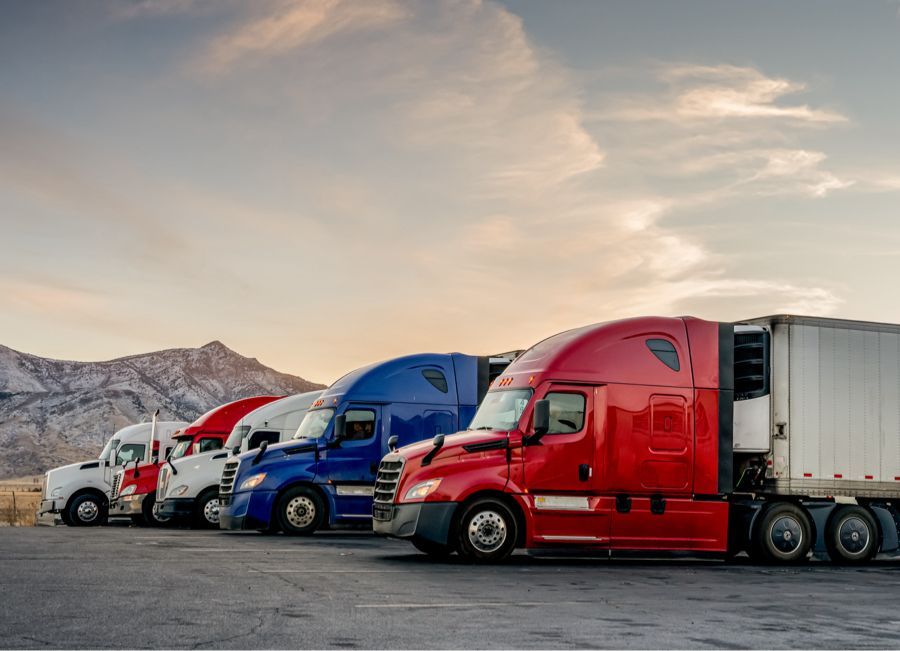
What’s Next After Applying for a DOT Number? Here’s What to Do Next.
Starting a trucking company begins with one of the most important steps: applying for your DOT number. Whether you're planning to haul freight locally or across state lines, getting that DOT number means you're officially on your way to becoming an active carrier.
But what happens next? A DOT number alone doesn’t get you on the road—you’ll need the right equipment, financing, and operational setup. In this post, we’ll walk you through what to do after submitting your DOT application so you can hit the ground running.
1. Secure Your Equipment
The next major step after applying for your DOT number is securing your equipment. Whether you’re an owner-operator or setting up a small fleet, the trucks and trailers you use are the backbone of your business.
You have two options:
- Lease Equipment: Great for new companies with limited upfront capital. Leasing gives you access to reliable trucks or trailers without the long-term commitment or large down payment. Many leasing options come with maintenance and support, which can be a huge help early on.
- Purchase Equipment: If you’re ready to own, purchasing gives you full control and can be more cost-effective over time. If you don’t have the cash on hand, you can explore equipment financing, which is available even for new businesses and those with less-than-perfect credit.
2. Set Up Your Insurance
You won’t be able to operate legally without commercial trucking insurance. Get quotes early, and make sure you have coverage for:
- Auto liability
- Cargo
- Physical damage
- General liability
If you’re leasing equipment, the leasing company may have specific coverage requirements you’ll need to meet.
3. Activate Your Authority
Your DOT number gets you registered, but to haul freight for hire, you'll also need to activate your MC (Motor Carrier) authority. This includes paying the FMCSA fee, setting up a BOC-3 filing, and providing proof of insurance.
4. Build Your Operations
Now that you’re almost ready to roll, it’s time to get organized:
- Start looking for freight dispatch services
- Open a business bank account
- Keep up with IFTA, UCR, and IRP requirements if you're operating interstate
- Get a solid recordkeeping and compliance system in place
Applying for a DOT number is just the beginning. The next critical move is getting your equipment ready—whether leasing or purchasing—so you can legally and profitably hit the road.
If you're not sure where to start with trailers or equipment, we’ve got you covered at NexPro Solutions. We offer flexible trailer leasing, equipment financing, and lease-on programs to help owner-operators get moving fast—no credit check required.
Share Content.