What Commercial Truck Insurance Agents Need to Know About the Trucking Market in 2026
Summary
The trucking industry is constantly evolving, and 2026 is shaping up to bring both challenges and opportunities. For commercial truck insurance agents, understanding the trucking market is essential to serving clients effectively and staying competitive.
From rising insurance costs and driver shortages to new technology and shifting freight demand, several trends are reshaping the industry. Agents who understand these changes can position themselves as trusted advisors instead of just quote providers.
In this guide, we’ll break down what commercial truck insurance agents need to know about the trucking market in 2026, including key trends, industry challenges, and opportunities to grow your book of business.
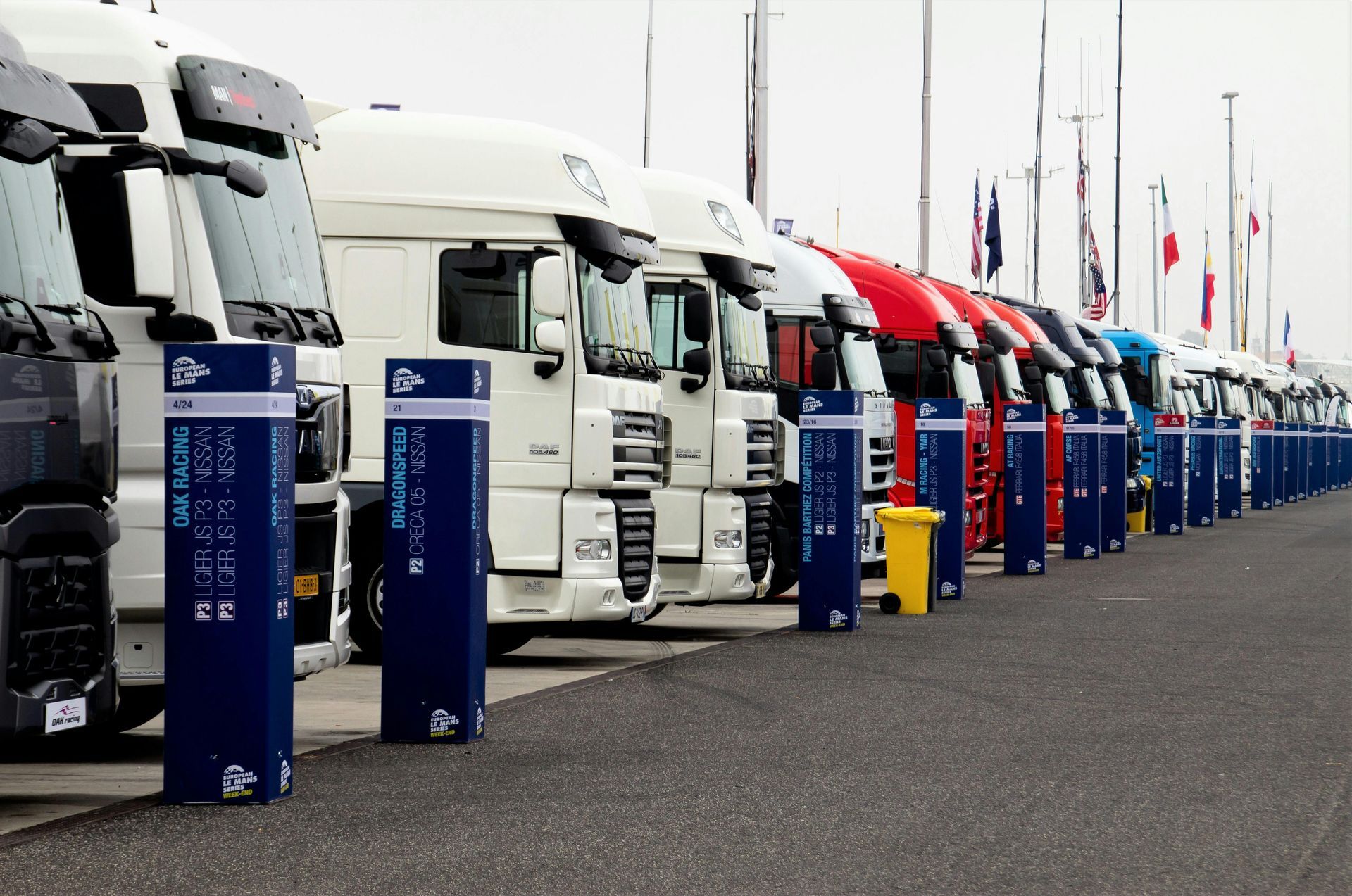
Key trucking industry trends every commercial truck insurance agent should understand to stay competitive and win more clients.
Commercial truck insurance is closely connected to the health of the trucking industry.
When trucking companies grow their fleets, hire drivers, and expand operations, their insurance needs increase as well. On the other hand, when operating costs rise or regulations change, trucking businesses often review their coverage and look for better options.
This is why commercial truck insurance agents who understand the trucking market are more valuable to their clients.
They can:
- Explain industry trends
- Help businesses manage risk
- Recommend the right coverage
- Provide guidance during market changes
Agents who stay informed often build stronger relationships with trucking companies.
Rising Insurance Costs Continue to Affect the Industry
One of the biggest issues facing the trucking market in 2026 is the continued rise in insurance premiums.
Several factors are driving higher costs for commercial truck insurance, including:
- Increased accident severity
- Higher repair costs for modern trucks
- Rising medical expenses from crash injuries
- Large legal settlements and litigation
These factors have forced many insurers to raise premiums or tighten underwriting requirements.
For trucking companies, higher insurance costs can put serious pressure on their budgets.
For insurance agents, this creates an opportunity to educate clients about why rates are rising and how they can manage risk more effectively.
Driver Shortages Remain a Major Challenge
The trucking industry has struggled with driver shortages for years, and the problem continues in 2026.
Many experienced drivers are retiring, while fewer young workers are entering the profession.
As a result, many fleets hire drivers with less experience.
From an insurance perspective, this creates additional risk.
Driver experience is one of the most important factors affecting commercial truck insurance pricing. Fleets with inexperienced drivers often face higher premiums.
Insurance agents who understand this challenge can help clients reduce risk by encouraging:
- Strong hiring standards
- Driver training programs
- Ongoing safety education
Helping fleets improve safety can lead to fewer accidents and better insurance rates over time.
Technology Is Changing How Fleets Operate
Technology is transforming the trucking industry faster than ever.
Many fleets now rely on advanced systems to manage operations and improve safety.
Some of the most common tools include:
- Electronic logging devices (ELDs)
- GPS fleet tracking systems
- Telematics monitoring
- Dash cameras
- Maintenance tracking software
These technologies provide detailed information about driver behavior, vehicle performance, and safety practices.
For insurance agents, this data can be extremely valuable.
Fleets that use telematics and safety monitoring systems often demonstrate lower risk levels, which can improve their chances of securing competitive insurance rates.
Agents who understand these tools can help clients use technology to strengthen their risk profile.
Freight Market Changes Impact Insurance Demand
Freight demand plays a major role in the trucking industry.
When the freight market is strong, trucking companies often expand their fleets and hire more drivers.
This creates increased demand for commercial truck insurance.
However, when freight volumes slow down, some companies delay growth or reduce operations.
Insurance agents who follow freight market trends can better anticipate when clients may need:
- Additional vehicle coverage
- Fleet expansion policies
- Policy adjustments
Understanding the broader trucking economy helps agents provide better advice to their clients.
New Trucking Businesses Continue to Enter the Market
Despite economic challenges, new trucking businesses continue to enter the industry every year.
Many of these companies are started by experienced drivers who want to become owner-operators or build small fleets.
New trucking companies typically require several types of coverage, including:
- Primary liability insurance
- Cargo coverage
- Physical damage insurance
Because these business owners are new to the insurance process, they often need guidance.
Commercial truck insurance agents who provide clear advice can build strong relationships with these new businesses early on.
Many small trucking companies eventually grow into larger fleets, which can become long-term clients for an agency.
Relationships Matter More Than Ever
Competition among insurance agents is strong in the trucking industry.
Truck owners often compare multiple quotes before choosing an agent.
However, price isn’t always the deciding factor.
Trucking companies value agents who:
- Understand their business
- Explain coverage clearly
- Provide fast responses
- Offer long-term support
Agents who build strong relationships with trucking companies often win more business and retain clients longer.
The Importance of Consistent Commercial Truck Insurance Leads
Even the most knowledgeable insurance agent still needs a steady pipeline of prospects.
Without new opportunities, it’s difficult to grow an agency.
That’s why many successful agents rely on commercial truck insurance leads to connect with trucking companies actively searching for coverage.
Quality leads allow agents to:
- Speak with trucking businesses that already need insurance
- Increase quoting opportunities
- Spend less time prospecting
- Focus more on closing deals
Consistent lead flow helps agents build a predictable sales pipeline.
Frequently Asked Questions About Commercial Truck Insurance Leads
What are commercial truck insurance leads?
Commercial truck insurance leads are trucking companies or owner-operators who are actively searching for insurance coverage or requesting quotes.
Why should insurance agents understand the trucking market?
Understanding the trucking market helps agents provide better advice, anticipate client needs, and recommend the right coverage solutions.
What factors are driving commercial truck insurance costs in 2026?
Rising repair costs, accident severity, medical expenses, and legal claims are some of the main factors increasing commercial truck insurance premiums.
How can agents generate more commercial truck insurance leads?
Agents can generate leads through digital marketing, industry partnerships, referrals, and professional lead generation services.
What’s Next
The trucking market in 2026 presents both challenges and opportunities for commercial truck insurance agents.
Agents who understand industry trends, build strong relationships with trucking companies, and stay connected to new prospects will have a clear advantage in the market.
But growth doesn’t happen without opportunity. Having a steady pipeline of trucking businesses looking for coverage makes all the difference.
At NexPro Solutions, we help insurance agents connect with trucking companies actively searching for insurance policies. Our lead system focuses on delivering qualified commercial truck insurance leads so agents can spend less time chasing prospects and more time closing policies.
If you’re ready to grow your agency and speak with more trucking businesses, the next step is to connect with one of our reps and learn how our lead service works.
Share Content.






Why Commercial Truck Dealerships Should Build Relationships With Multiple Finance Partners Direction