Rent vs Lease: The Smart Strategy for Growing Your Fleet Without the Debt

Nexpro+ Solutions+Co. • November 4, 2025

How trailer rental and leasing helps trucking businesses scale, stay flexible, and protect cash flow.
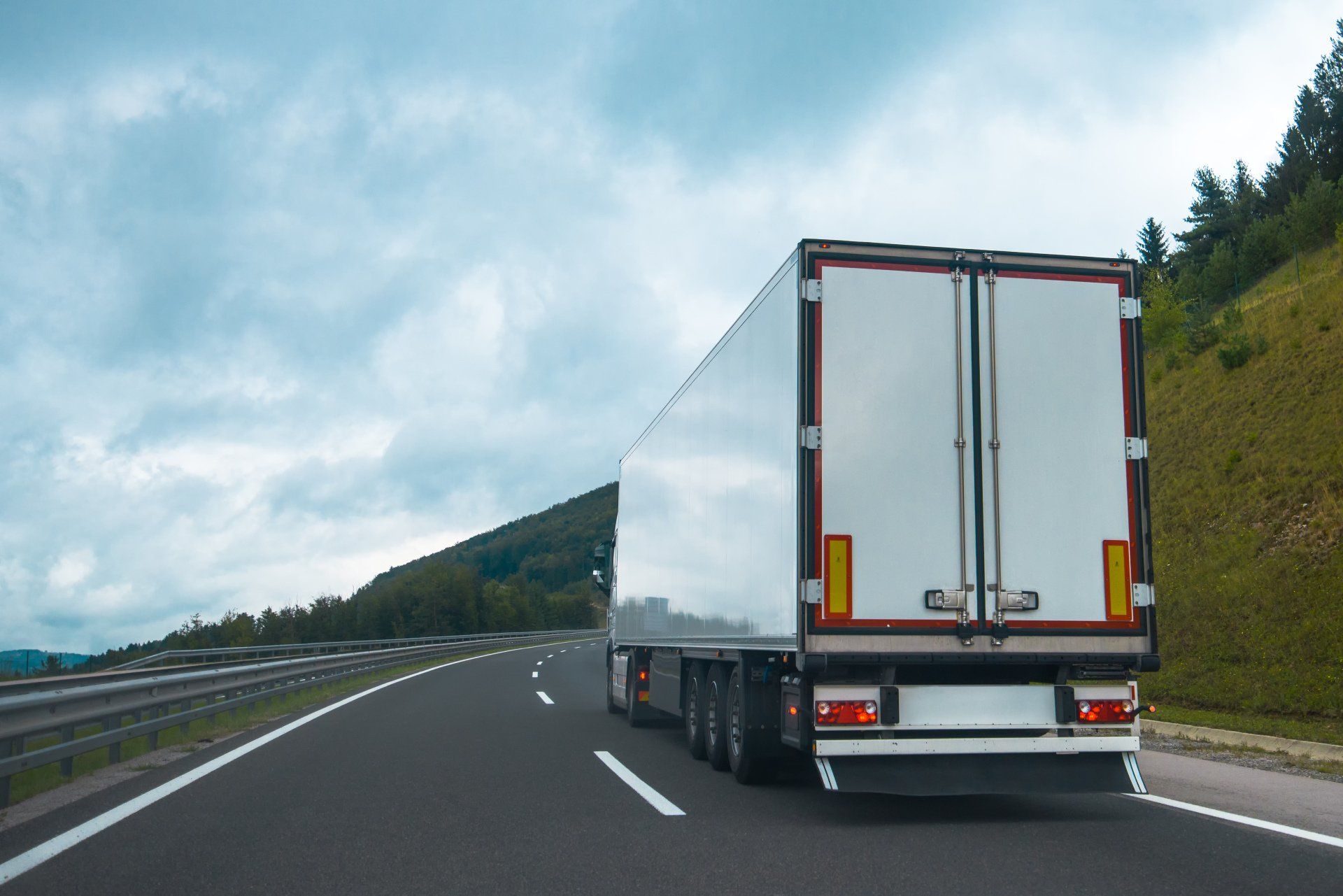
When you’re running a trucking company, your equipment decisions directly impact cash flow, profitability, and how fast you can grow. One of the most overlooked advantages in the industry is trailer rental and leasing.


Many carriers assume they must buy equipment to expand. They wait until they have the capital or the perfect financing terms, and in that time, they miss opportunities and turn down freight.

The industry is shifting. Instead of tying up $20,000–$70,000 per trailer, smart operators are choosing to rent or lease.


When Renting Makes Sense

Renting is ideal when flexibility is the priority.

Best scenarios for renting:

  1. Short-term contracts or seasonal freight.
    If you have a temporary customer or surge in demand, renting prevents you from holding equipment you don’t need later.
  2. Testing new lanes.
    Renting makes it possible to try a route before committing financially.
  3. Cash flow protection.
    Instead of spending large amounts of capital on equipment, renting keeps your money free for business operations.
  4. Maintenance included.
    Most rental agreements cover maintenance, saving time, stress, and unexpected repair expenses.

Renting lets you expand quickly without long-term commitment.


When Leasing Is the Better Choice

Leasing is strategic when you need equipment longer-term but want to avoid a large purchase and heavy debt.

Best scenarios for leasing:

  1. You want predictable, fixed monthly costs.
    Leasing converts equipment into a stable monthly operating expense.
  2. You want to build equity without upfront cost.
    Lease-to-own structures apply payments toward ownership.
  3. You’re scaling your business.
    Leasing allows fast fleet growth without draining working capital.
  4. You’re planning for long-term freight contracts.
    If the work is consistent and profitable, a lease may be more cost-effective than renting.

Leasing lets you benefit from the equipment without the financial burden of buying.


Buying vs. Renting vs. Leasing

  Buying puts financial pressure on the business.
Renting and leasing create
operational freedom.


Why This Matters

Cash flow is the lifeline of every logistics company. When capital is tied up in equipment, it limits your ability to:

  • Add drivers
  • Take new routes
  • Cover fuel and operating expenses
  • Invest in marketing and new contracts

Trailer rental and leasing allow you to stay agile, accept new opportunities, and scale faster.


Final Thoughts

You don’t have to buy equipment to grow.
You simply need access to equipment.

Trailer rental and leasing give you:

  • The flexibility to scale
  • The ability to take new contracts immediately
  • Less financial risk and more predictable expenses


For trucking companies focused on growth, flexibility is no longer an option — it’s a strategy.

Learn more

Share Content.

Four semi-trucks parked on concrete, orange and white, with the company logo. Background is green trees and blue sky.
By Dillu Rongali February 25, 2026
Learn how to dominate your local trucking insurance market without cutting prices. Build authority, attract high-quality clients, and grow your agency profitably.
Team of people high-fiving over a wooden table in an office setting.
By Dillu Rongali February 25, 2026
Learn how to qualify trucking insurance leads before producers call. Improve close rates, filter bad risks, and send only high-intent prospects to your team.
Woman in a cap and vest reviews a clipboard in a truck yard with several semi-trucks parked.
By Dillu Rongali February 25, 2026
Learn what makes a commercial truck insurance agency attractive to carriers. Discover key traits, best practices, and tips to secure profitable contracts and grow.
Man in a cap and headset discussing truck insurance with an insurance agent in an office.
By Dillu Rongali February 24, 2026
Learn how to secure a Great West Insurance appointment for commercial trucking insurance and why using high-quality leads boosts your closing ratios and growth.
People at a conference table with laptops, near a large window.
By Dillu Rongali February 24, 2026
Learn how to build strong trucking insurance carrier relationships, earn underwriting trust, protect loss ratios,and grow your agency with stable,profitable results.
Pile of coins stacked next to a clock, implying time is money.
By Dillu Rongali February 24, 2026
Why trucking insurance marketing systems help agencies improve loss ratios, strengthen carrier relationships, and drive stable, scalable long-term growth.
Woman in vest and cap holding tablet, standing in front of parked semi-trucks.
By Dillu Rongali February 24, 2026
Discover what underwriters look for in commercial trucking submissions and how structured trucking insurance marketing systems increase approval rates & bind ratios.
Truck driver wearing a cap and plaid shirt driving a semi-truck on a sunny day.
By Dillu Rongali February 24, 2026
How trucking insurance marketing systems help agencies qualify for stronger carrier contracts through structured lead infrastructure and underwriting alignment.
Man in white shirt smiling, holding an orange book at a desk in an office setting.
By Dillu Rongali February 24, 2026
Why trucking insurance marketing systems outperform carrier appointments alone and how structured lead infrastructure drives scalable, predictable book growth.
Insurance agents assisting clients in an office. People are seated at desks, reviewing documents and discussing insurance.
By Dillu Rongali February 24, 2026
Learn how independent agencies secure more trucking insurance markets using structured and data-driven trucking insurance marketing systems built for scale.